Sell Your IBC Totes
Have used IBC totes to sell? Tell us what you have and we pass your request to partner suppliers in the Chicagoland area. Availability depends on the supplier.
Get a Free Quote
Free, no-obligation quote request
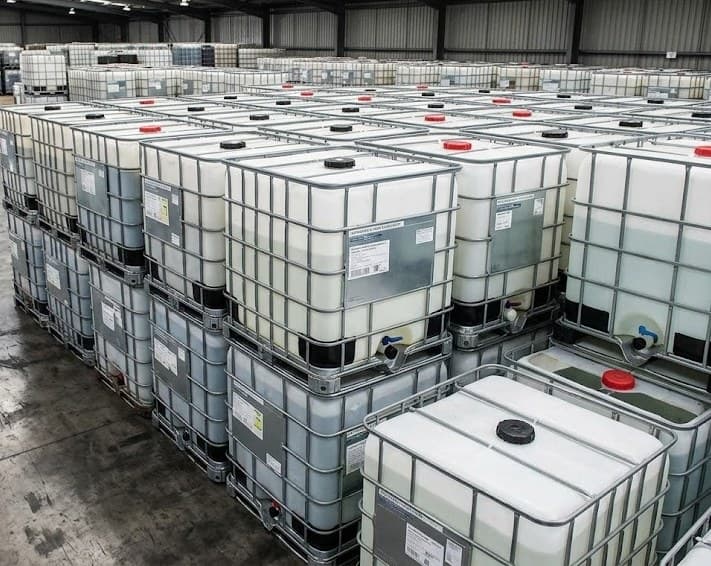
Find a Buyer for Your Used Totes
How Selling Used IBC Totes Works
IBC Recycling Chicago does not buy totes itself. We take your request and pass it to partner suppliers, who decide what they can take and make any offer.
Request a Quote
Use the quote form to tell us how many totes you have, their approximate condition, what they held, and your location. Photos help but are not required.
We Pass It On
We send your request to a partner supplier. Availability depends on the supplier, and sending a request does not commit you to anything.
A Partner Supplier Follows Up
A partner supplier follows up on whether it can take your totes. It typically reviews your details, may ask for photos, and may make an offer.
Pickup and Payment
You agree price, pickup, and payment directly with the supplier. A supplier typically confirms the condition of the totes at pickup or on arrival.
How Tote Condition Affects Your Options
Use this general guide to describe your totes in your request. Grading varies between suppliers, and each supplier decides what it can accept.
Excellent / Grade A
Usually most in demandClean bottle with little or no staining. Straight cage, intact pallet, good threads on the fill cap and outlet, a working valve, and legible markings. These are usually the most attractive used totes for a buyer.
Reuse or light reconditioning
Good / Grade B
Often reusableMinor scuffing or light staining on the bottle. The cage may have surface rust but is sound, and the pallet shows some wear. The valve may need a new gasket. Totes like these are often candidates for reconditioning.
Reconditioning
Fair / Grade C
Depends on the cageNoticeable staining, scuffing, or discoloration. The cage may show moderate rust or repaired bars, and the valve may be damaged or missing. Totes like these may be rebottled or sent for recycling.
Rebottling or recycling
Poor / Recycle-Only
Material value at mostCracked or punctured bottle, collapsed cage, or major structural damage. These totes are not suited to reuse, but the HDPE and steel may still be recyclable. Some suppliers may charge to take them or may decline them.
Recycling
Totes That Held Hazardous Materials
Supplier decidesThese need special care, and not every supplier can accept them. Have the Safety Data Sheet (SDS) ready when you send your request, and check current regulations before moving them.
Case by case
Not sure how to describe your totes? Add what you know to your quote request, and include photos if you are able to share them later with the supplier. The request is free and carries no obligation.
Factors That Affect What a Supplier May Offer
Each supplier makes its own decision, and pricing is by quote. These are the things they typically consider.
Container Condition
The overall state of the bottle, cage, valve, and pallet is usually the first thing a buyer looks at.
Prior Contents
What the tote held affects what it can be used for next and how much work it needs.
Quantity
A larger lot can be easier to justify a trip for. Include your count in your request.
Tote Size
Both 275-gallon and 330-gallon totes are common. Demand can differ by size.
Valve & Fittings
A working valve saves a buyer a replacement part. Missing or damaged fittings add work.
Location and Access
Distance and how easily a truck can reach and load your totes affect the cost of collecting them.
Bottle Clarity
A clear, unstained bottle usually has more reuse options than a heavily discolored one.
Cage Integrity
Straight cages with no broken bars add value. Heavy damage may mean repair or scrap.
Pallet Condition
An intact pallet makes a tote easier to move and reuse.
Labels and Markings
Legible markings and little adhesive residue make a tote easier to assess and recondition.
Age of Tote
Date stamps and test dates on the plate help a buyer judge remaining service life.
Market Demand
Offers tend to follow demand for used totes, recycled HDPE, and scrap steel.
Residual Contents
Empty, drained totes are simpler to handle than totes holding leftover product.
Consistency of Lot
A batch of similar totes that held the same product is simpler for a buyer to assess.
How Used Totes Are Typically Valued
A buyer usually thinks about what a tote can become next. A tote that can be cleaned and resold is generally worth more than one that can only be recycled for its raw materials.
A partner supplier typically starts with the details and photos you provide, then confirms the condition at pickup or when the totes arrive. Ask how the supplier handles any difference between your description and what it finds.
Offers can move with demand for used totes, recycled HDPE, and scrap steel. Accurate details up front make for a better first answer.
Where Used Totes Usually Go
Used totes generally follow one of three paths, depending on condition and prior contents.
Reconditioning
Better totes are typically cleaned and inspected, fitted with new valves or gaskets as needed, and resold for further use.
Rebottling
A tote with a good cage but a bottle that cannot be reused can receive a new HDPE inner bottle, so the cage stays in service.
Recycling
Totes that cannot be reused are typically taken apart. The HDPE can be processed for new plastic products, the steel goes to scrap recyclers, and pallets can be repaired or chipped.
Pickup Scheduling and Logistics
Pickup is arranged through partner suppliers, and availability depends on the supplier. We take requests from Chicago and the Chicagoland area, including Cook, DuPage, Lake, Will, Kane, and McHenry counties.
Who loads the totes, what the pickup costs, and when it happens are all agreed with the supplier. Telling them about your site up front makes that conversation quicker.
Site Access
Note whether a truck can reach the totes, and whether you have a dock.
Loading Equipment
Say whether you have a forklift or pallet jack on site, or whether the supplier would need to bring one.
How Totes Are Stored
Mention whether totes are stacked, indoors, or outdoors, and whether any are damaged.
Empty and Closed
Say whether totes are drained, and keep valves and caps closed.
Timing
If you have a cleanout or move date, include it in your request.
Regular Empties
If you generate empties regularly, say so, and ask the supplier what it can do.
What to Have Ready
SDS / Safety Data Sheet
NeededFor the product previously stored in the tote. If you do not have the SDS, give the product name.
Quantity Count and Location
NeededAn accurate count and the pickup location, so the supplier can plan the right vehicle.
Photos (Recommended)
Clear photos showing the bottle, cage, valve, and pallet help a supplier give a better early answer.
Proof of Ownership
A supplier may ask you to confirm that you own the totes or are authorized to sell them.
Tax Considerations
Paperwork From the Buyer
A supplier that buys your totes may ask for tax paperwork such as a W-9. Any such request comes from the supplier.
Ask Your Accountant
How a sale is treated depends on your situation. Check with your tax advisor.
Getting Paid
Who Pays
The supplier that buys your totes pays you. IBC Recycling Chicago does not buy totes or handle payment.
Method and Timing
Agree on how and when you will be paid before the totes leave your site.
Get It in Writing
Ask for the agreed price and quantity in writing, along with a receipt at pickup.
Selling Larger Quantities
Manufacturers, distributors, and other high-volume tote users often build up empties faster than they can store them. If that describes your site, include your typical volume in your request as well as your current count.
A consistent lot of similar totes that held the same product is generally easier for a buyer to assess than a mixed one. If you have a mix, sort it by prior contents and condition where you can, and tell the supplier how the lot breaks down.
Questions to Ask a Buyer
Is the Offer Per Tote or Per Lot?
Confirm how the price is worked out and what happens if some totes are rejected.
Who Loads and Who Pays for Pickup?
Settle whether pickup is included and who provides loading equipment.
How Is Condition Confirmed?
Ask when the supplier checks the totes and how it handles any differences.
What Paperwork Will I Receive?
If you need records for your own files, ask what the supplier can provide.
Have Totes to Sell? Request a Quote.
Tell us what you have. We pass your free, no-obligation quote request to a partner supplier, and a partner supplier follows up. Availability depends on the supplier.
Frequently Asked Questions About Selling IBC Totes
How selling used IBC totes works in Chicago and the suburbs, from request to pickup and payment.
How much are my used IBC totes worth?
We do not set prices. Any offer comes from a partner supplier and depends on condition, age, prior contents, quantity, location, and current demand. Some damaged totes may have little or no value. Send your details and a partner supplier follows up.
Do I need to clean the totes first?
Ask the supplier. Totes should generally be drained and closed, and you should disclose what they held. Have the SDS ready, and do not assume a supplier will accept residual contents.
Is pickup included, and where?
Pickup is arranged with the partner supplier, and any charge is part of what you agree with them. We take requests from Chicago and the Chicagoland area. Availability depends on the supplier.
How and when do I get paid?
Payment comes from the supplier that buys your totes, not from this site. Payment method and timing are agreed directly with the supplier, so confirm them before pickup.
Will every tote be accepted?
No. Each supplier decides what it can take, based on condition and prior contents. A supplier typically confirms condition at pickup or on arrival, so ask how any differences from your description are handled.