Buy IBC Totes
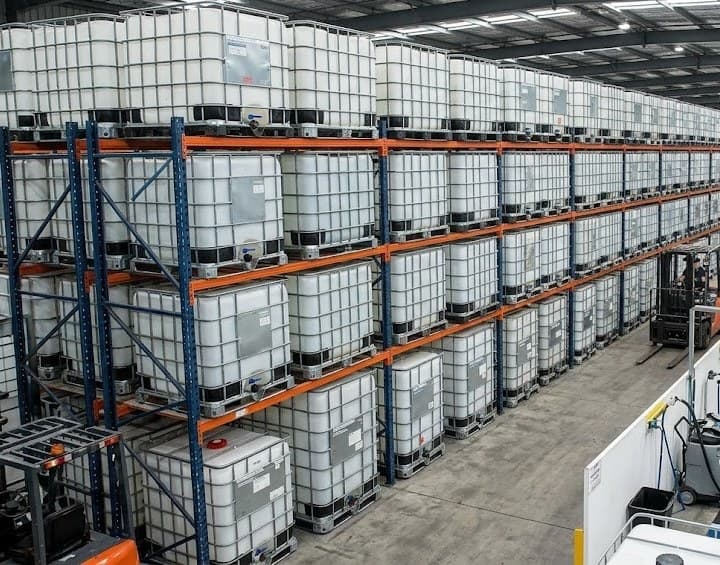
Looking to buy totes? Request new, rebottled, or reconditioned 275 and 330 gallon IBC totes in the Chicagoland area through partner suppliers. Availability depends on the supplier.
Get a Free Quote
Free, no-obligation quote request
Buy Totes Through Partner Suppliers
Three Types to Fit Your Needs and Budget
Totes are generally sold in three forms. Choose the one that matches your application and budget, then request a quote. We pass your request to partner suppliers.
New IBC Totes
Never-filled containers with a new HDPE bottle, new galvanized steel cage, and pallet. They are a common choice when a job cannot accept any prior-use history, or when you want a tote with a full test life ahead of it.
First-fill use and applications where prior contents are a concern.
Usually the highest of the three
Rebottled IBC Totes
A rebottled tote has a new HDPE inner bottle fitted inside a used steel cage. You get a fresh interior while the cage is reused. Ask the supplier about the condition of the cage and what markings the finished tote carries.
Buyers who want a new bottle at a usually lower cost than a new tote.
Usually between new and reconditioned
Reconditioned IBC Totes
Reconditioned totes keep their original bottle. A partner supplier typically cleans and inspects the tote and replaces worn parts such as valves, gaskets, and lids as needed. They are a common choice for non-critical storage, water, and general industrial use.
General industrial use, agriculture, and non-potable water storage.
Usually the lowest of the three
275-Gallon IBC Tote Options
The 275-gallon tote holds about 1,040 liters and has a footprint of about 40 x 48 inches. It is an HDPE inner bottle in a galvanized steel cage on a pallet, with a top fill cap and a bottom valve. The table shows what each option typically looks like. Availability depends on the supplier.
| Product | Bottle | Cage | Grades | Valve |
|---|---|---|---|---|
| New 275-Gallon | New HDPE | New galvanized steel | Not graded | Often 2 in. valve |
| Rebottled 275-Gallon | New HDPE | Used, inspected | Varies by supplier | Often 2 in. valve |
| Reconditioned 275-Gallon | Original HDPE, cleaned | Used, inspected | A, B, or C | Replaced as needed |
330-Gallon IBC Tote Options
The 330-gallon tote holds about 1,250 liters on the same footprint of about 40 x 48 inches. It suits operations that want more volume per pallet position and fewer container changes.
| Product | Bottle | Cage | Grades | Valve |
|---|---|---|---|---|
| New 330-Gallon | New HDPE | New galvanized steel | Not graded | Often 2 in. valve |
| Rebottled 330-Gallon | New HDPE | Used, inspected | Varies by supplier | Often 2 in. valve |
| Reconditioned 330-Gallon | Original HDPE, cleaned | Used, inspected | A, B, or C | Replaced as needed |
Matching a Tote to What You Will Store
With used totes, what the tote held before matters as much as how it looks. Ask about prior contents before you buy, and check the SDS and supplier for compatibility with your product.
Food and Potable Water
IBC Recycling Chicago makes no food-grade offer. If your product is food or potable water, ask the supplier for documentation and confirm with your own QA and current regulations.
Industrial and General Use
Used totes are widely used for non-food liquids such as washer fluid, cleaning solutions, and construction additives, as well as rainwater and other non-potable water.
If you plan to ship a regulated product, look at the UN markings and the 2.5- and 5-year test dates on the plate, and check current regulations.
Understanding Grade A, B, and C
Grades are a common shorthand for the condition of used totes. They are not a universal standard, so these descriptions are a general guide. Ask the supplier what its grades mean, and look at photos or the totes themselves if you can.
Usually the cleanest used totes. Expect a bottle with little staining or odor, a straight cage, an intact pallet, and threads and valve in good condition.
Usually fully usable with cosmetic wear. Expect possible scuffing, faint discoloration, or light surface rust on the cage. This is a common pick for general industrial and agricultural use.
Usually the most worn used totes. Expect visible staining, heavier scuffing, or repaired cage bars. These tend to suit non-critical storage, rainwater collection, and work where appearance does not matter.
What Determines the Price
Pricing is by quote from partner suppliers. These are the things that usually affect it.
Tote Type
New usually costs the most, rebottled sits in the middle, and reconditioned usually costs the least.
Grade
Better cosmetic and functional condition usually costs more.
Capacity
Pricing can differ between 275-gallon and 330-gallon totes.
Prior Contents
What a used tote held affects what it can be used for next, which affects its value.
Quantity
Larger orders may be priced differently. Ask the supplier when you get your quote.
Valve & Fittings
Bottom valves are often 2 inches. Other valves or adapters may affect the cost, if the supplier offers them.
Seasonal Demand
Demand can shift during the year, particularly around agricultural and construction seasons.
Delivery Distance
Pickup or delivery is quoted by the supplier based on distance, quantity, and vehicle type.
Delivery Options and Pickup
Pickup and delivery are arranged through partner suppliers. Availability depends on the supplier.
Pickup From the Supplier
Some partner suppliers let buyers collect totes with their own trailer. Ask the supplier whether this is possible and what loading help is available.
Delivery in Chicagoland
Delivery within Chicago, Cook, DuPage, Lake, Will, Kane, and McHenry counties can be requested. Mention whether your site has a dock or forklift.
Larger Loads
Larger orders may move on a dedicated truck. A partner supplier can tell you what makes sense for your quantity and site.
Set by the Supplier
Methods and Terms
You pay the supplier, not this site. Ask which payment methods it accepts and when payment is due.
Purchase Orders
If your organization requires a purchase order, say so early in the conversation.
What to Confirm
Prior Contents
Ask what each used tote held and how it was cleaned.
Test Dates
Check the 2.5- and 5-year test dates on the plate if they matter for your use.
Valve and Fittings
Confirm the valve size and thread match your equipment.
Ask Before You Buy
Coverage
Any coverage comes from the supplier or manufacturer. Ask what applies and get it in writing.
Problems on Arrival
Ask how the supplier handles totes that arrive damaged or different from what you agreed.
Inspect First
Check each tote for leaks, damage, and cleanliness before you fill it.
Step-by-Step Buying Process
Here is what happens from your first request to totes arriving at your site.
Choose Your Tote
Decide on type (new, rebottled, reconditioned), capacity (275 or 330 gallon), and grade. Not sure? Describe what you plan to store and a partner supplier can talk it through with you.
Request a Quote
Use the quote form to tell us the quantity, type, grade, and delivery location. The request is free and carries no obligation.
We Pass It On
We send your request to a partner supplier. IBC Recycling Chicago does not hold totes or set prices. Availability depends on the supplier.
A Partner Supplier Follows Up
A partner supplier follows up with what it has available and a quote. This is the time to ask about prior contents, condition, and test dates.
Review and Agree Terms
Review the quote and agree price, payment, and any other terms directly with the supplier.
Pickup or Delivery
Arrange pickup or delivery with the supplier. Inspect the totes when they arrive, before you fill them.
Why Buying Used IBC Totes Can Make Sense
A new tote takes new plastic and steel to make. Reusing a tote avoids building a new one, and rebottling keeps a used cage in service while replacing only the bottle.
Used totes are not right for every job, so weigh condition, prior contents, and your application first. When a tote finally reaches the end of its life, its HDPE and steel can usually be recycled.
Learn about IBC recyclingReady to Buy? Request a Quote.
Tell us the tote type, grade, quantity, and delivery location. We pass your free, no-obligation quote request to a partner supplier, and a partner supplier follows up. Availability depends on the supplier.
Frequently Asked Questions About Buying IBC Totes
Common questions from Chicago-area buyers about tote types, grades, pricing, and delivery.
What is the difference between new, rebottled, and reconditioned IBC totes?
New totes have never been filled. Rebottled totes pair a new HDPE inner bottle with a used steel cage. Reconditioned totes keep the original bottle after cleaning, inspection, and replacement of worn parts as needed. Availability of each type depends on the supplier.
Which IBC tote grade should I buy for my application?
Grades generally describe condition. Grade A usually means light wear, Grade B moderate cosmetic wear, and Grade C heavier wear that suits non-critical uses. Grading is not universal, so ask the supplier what its grades mean and what the totes held before.
Are larger orders priced differently?
Often, but it depends on the supplier. Include your quantity in your request, and whether you expect to reorder. Pricing is by quote from partner suppliers.
Can I use a tote for food or potable water?
IBC Recycling Chicago makes no food-grade offer. If your product is food or potable water, ask the supplier for documentation and confirm with your own QA and current regulations.
How fast can I get IBC totes in Chicago?
Timing depends on the supplier, what is available, your quantity, and your location. Note any deadline in your request, and a partner supplier follows up.